

Monday the 12th of January 2026, started off as any other Monday. It was the start of our 2nd working week for 2026, and most staff had returned from the holiday break. Then, around 10am, our smoke and gas alarm sounded. Initially it was just an alert warning, but some staff who had the monitor linked to an App on their phones, saw that it was warning us of high carbon monoxide levels.
Like most businesses, Urban Water Solutions completes regular evacuation drills that prepare us for events that we hope will never occur. But this was not a drill!
Within 5 minutes from the initial alert the smoke and carbon monoxide alarm issued a verbal warning telling us to evacuate. Carbon monoxide levels were now dangerous, exceeding 100 parts per million.
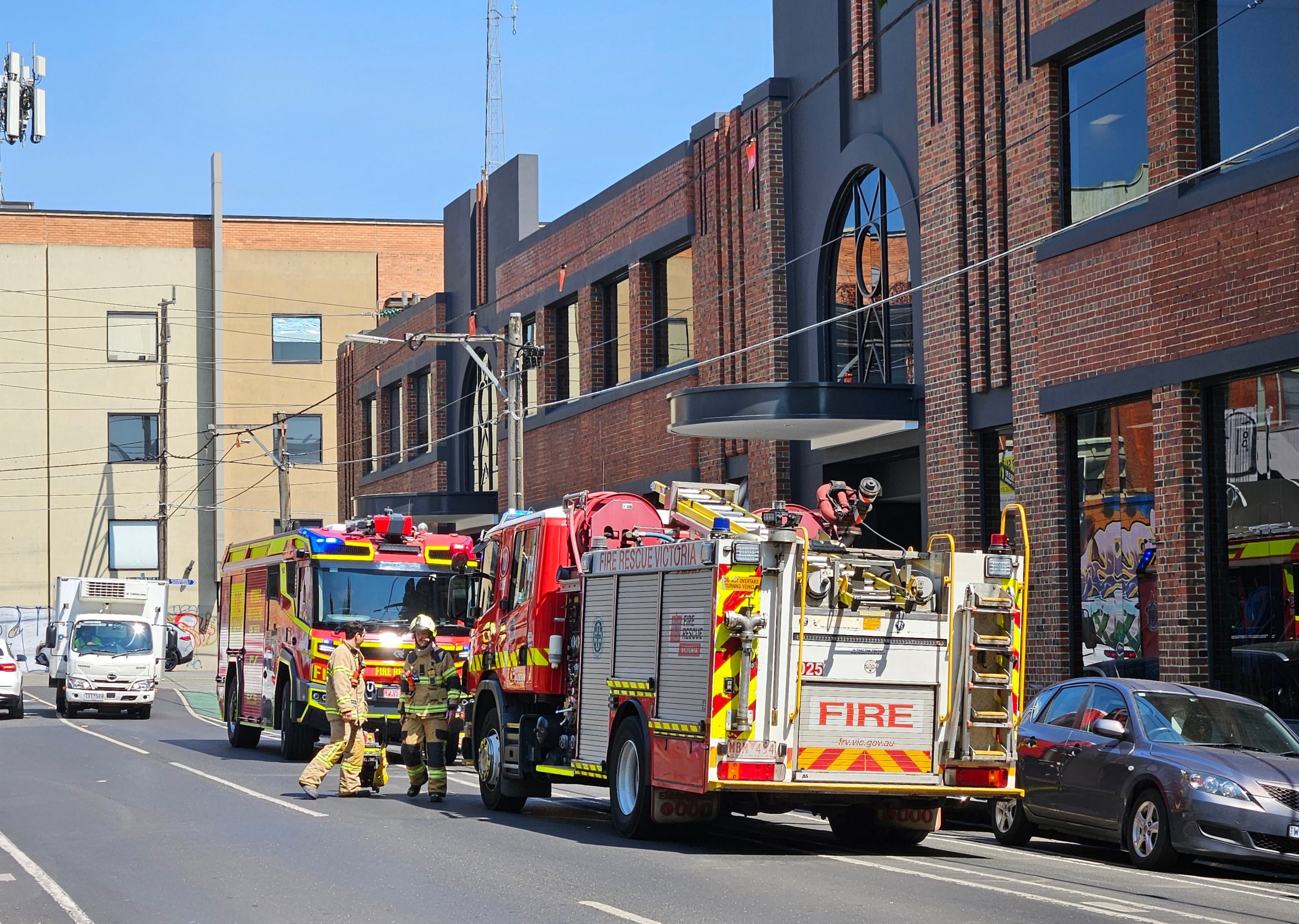
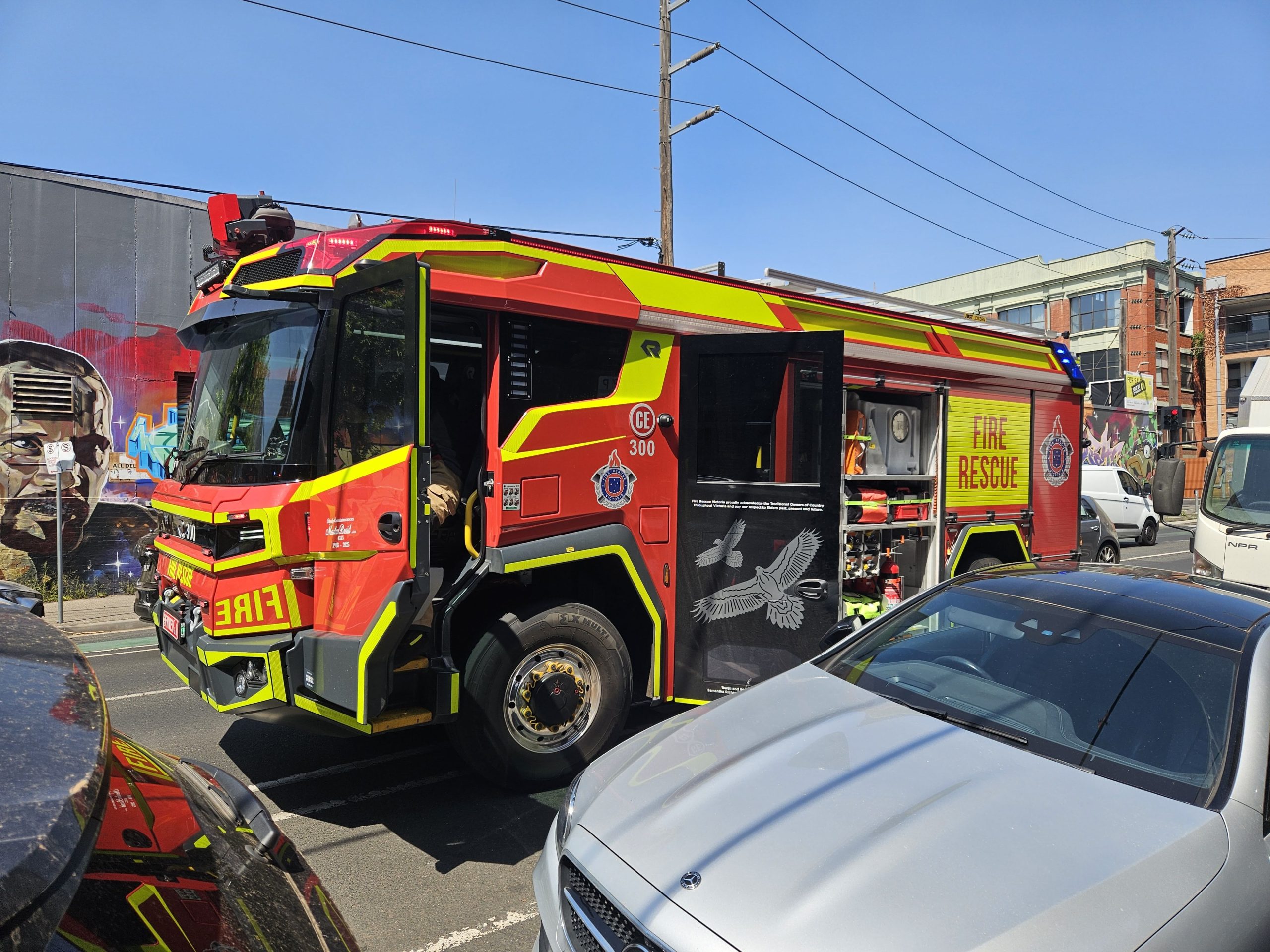
The Emergency Control Organisation quickly stepped into action, and an orderly evacuation was ordered. The Chief Fire Warden and Fire Warden ensured no one was left behind. Everyone gathered at the emergency meeting point for a head count. The emergency services were called, and fire engines arrived promptly, including Melbourne’s first electric fire truck.
As we left the building, we soon discovered that the cause of the alarm was contractors working in the ground floor premises next door, who were operating petrol generators inside the building to run concrete polishing equipment. They’d assumed that this would not be a problem as a roller door was left open. However, the fumes were free to rise into our office via stair wells and a shared roof cavity. Upon drawing their attention to the carbon monoxide alarm we had received, the contractors immediately turned off their generators.
The Fire Wardens then ensured that other offices in the complex were also notified. Carbon monoxide is an odourless and colourless gas and without appropriate monitoring, it would go undetected.
Due to the health and safety concern, our Health and Safety Representative notified WorkSafe. WorkSafe has since investigated on site and will ensure safe working practices in future.
The emergency services crews used high powered blower fans to displace the dangerous gasses from the office and after an hour we were given the all clear to re-enter.
The key takeaways for us are that we were pleased to have installed a carbon monoxide detector despite having no gas appliances. Such monitors are not compulsory for most office situations. Carbon monoxide can be a silent killer, and although the levels we detected were low, at 109 PPM maximum, they would have increased if we had not been alerted and stopped the contractor’s works. Also, fire drills are not waste of time. In this case of a real-life emergency, the benefits of practice drills ensured a well-executed evacuation with everyone able to return home safe and well.